
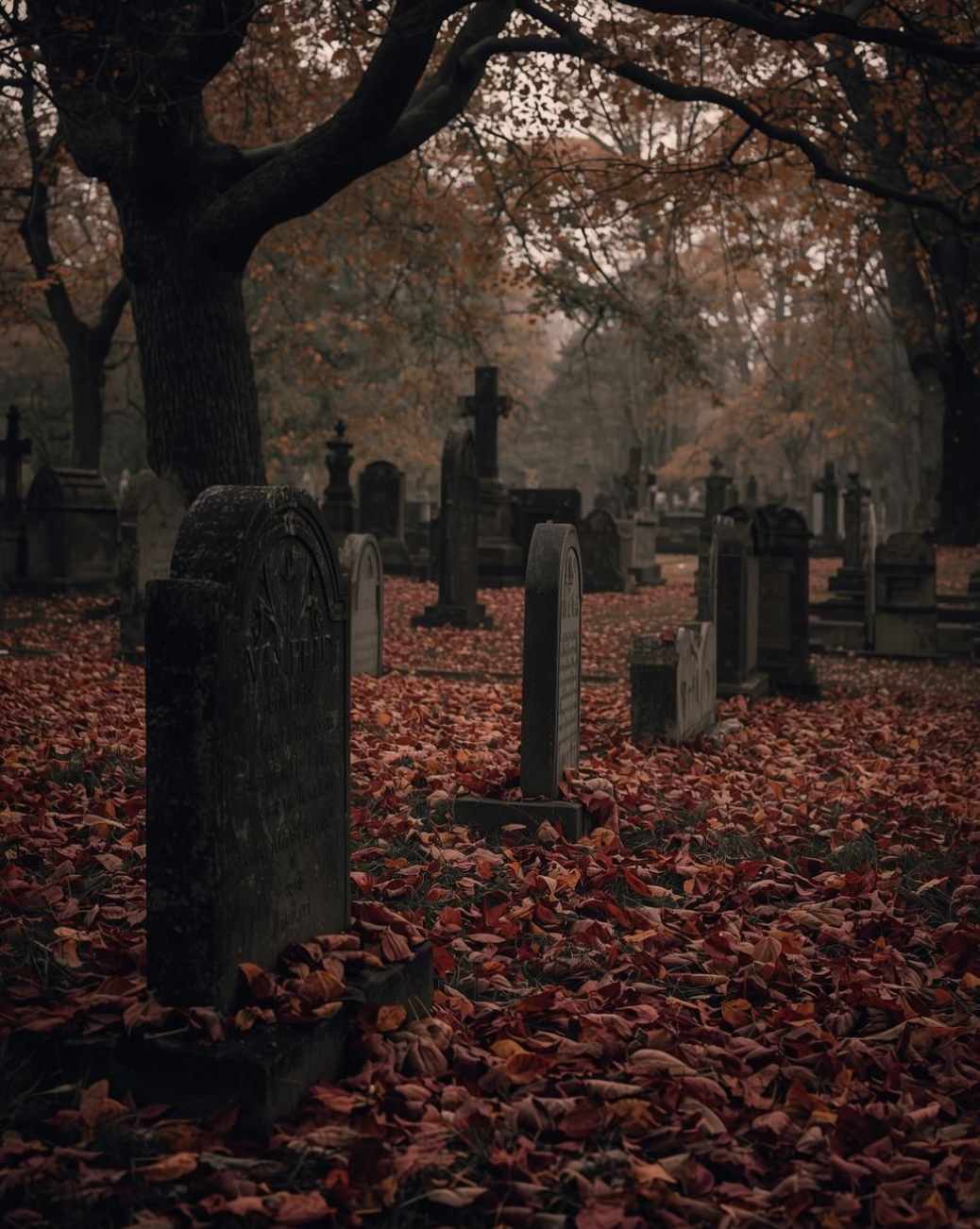
Entering a graveyard is not the same as entering any other physical space. For a spiritual person, a cemetery is not merely a place of memory or history; it is a threshold where the living and the dead are held in proximity. Because of this, how one moves, behaves, and offers respect in a graveyard matters deeply. Graveyard ethics are not about superstition or fear — they are about reverence, consent, and humility.
A graveyard is not an altar built for the living. It is a resting place for the dead and a sacred container for grief, lineage, and remembrance. When a spiritual person enters this space, they are stepping into a field shaped by human lives, endings, prayers, and unresolved emotion. The ethical posture, therefore, is one of quiet respect rather than spiritual entitlement.
One of the most overlooked aspects of graveyard ethics is intention. Why you are there matters. Visiting to honor ancestors, clean a grave, pray, or reflect carries a different spiritual weight than entering with curiosity, thrill-seeking, or extraction in mind. Cemeteries are not energetic resources to be harvested. They are homes. The dead are not tools, symbols, or intermediaries to be accessed at will.
This is why many traditions emphasize covering the head when entering a graveyard. A head covering is not about shame or superstition; it is a gesture of humility. It acknowledges that one is entering a space that is not theirs, and that the mind — the seat of thought and intention — should be guarded. Covering the head symbolically lowers the ego and signals respect, much like removing shoes before entering a sacred place in other cultures.
Similarly, practices such as leaving coins are often misunderstood. Coins are not payment, bribes, or offerings meant to “get something.” Historically and spiritually, coins symbolize acknowledgment — a way of saying, “I recognize that this ground is held by others.” In many traditions, coins are left as gestures of respect for the dead, particularly soldiers or ancestors, not as transactional offerings. Leaving something behind is a way of grounding the visit and preventing spiritual taking without giving.
Graveyard ethics also require restraint. Not every grave is meant to be touched. Not every name is meant to be spoken aloud. Not every spirit is open to interaction. Silence is often the most ethical choice. Silence allows the space to remain intact rather than disturbed by projection or curiosity. Spiritual maturity recognizes that not all sacred spaces invite engagement — some invite witness only. Another important ethical principle is containment. Strong emotions, grief, and spiritual sensitivity can surface in cemeteries. This does not mean they should be discharged there indiscriminately. Crying, praying, or quietly reflecting is appropriate; dramatic release, loud rituals, or attempts to summon or provoke spiritual activity are not. A graveyard is not a stage for personal spiritual experiences. It is a shared resting place.
There is also an ethical responsibility to the living. Cemeteries hold the grief of families who return to visit their loved ones. Treating the space casually, disrespectfully, or theatrically can harm those still mourning. Walking gently, avoiding stepping directly on graves, and keeping phones and cameras away are acts of respect not only to the dead, but to the living who love them. From a spiritual perspective, protection matters in graveyards — but not in the way popular culture often frames it. Protection does not come from fear, avoidance, or dramatic cleansing rituals afterward. It comes from alignment. When a person enters a cemetery with humility, clarity, and respect, they are already protected. Ethical behavior creates spiritual boundaries. Disrespect erodes them.
This is why many spiritually grounded people cleanse gently after visiting a graveyard, not because the space is “negative,” but because transitions deserve closure. Washing hands, saying a prayer, or grounding afterward helps signal to the nervous system and spirit that the visit has ended. It is not about removing contamination; it is about integration. Importantly, graveyard ethics also remind us that death is not spectacle. In an age where aestheticized spirituality and social media have blurred the line between reverence and performance, cemeteries call for restraint. Filming, photographing graves for content, or aesthetic inspiration risks turning human endings into backdrops. Ethical spirituality refuses to consume sacred spaces for self-expression.
Ultimately, graveyard ethics are about relationship. They ask the spiritual person to remember that they are a guest in a space shaped by lives they did not live and losses they did not carry. Respect is not passive; it is active awareness. It is moving slowly. It is asking inwardly rather than demanding outwardly. It is recognizing that not every sacred space exists to give something back. When approached ethically, a graveyard can become a place of deep grounding rather than fear. It reminds us of lineage, impermanence, and responsibility. It teaches that spiritual power is not loud, extractive, or entitled. It is quiet, careful, and reverent. To honor the dead is not to interact with them endlessly. It is to respect their rest.


Dejar un comentario
Este sitio está protegido por hCaptcha y se aplican la Política de privacidad de hCaptcha y los Términos del servicio.