
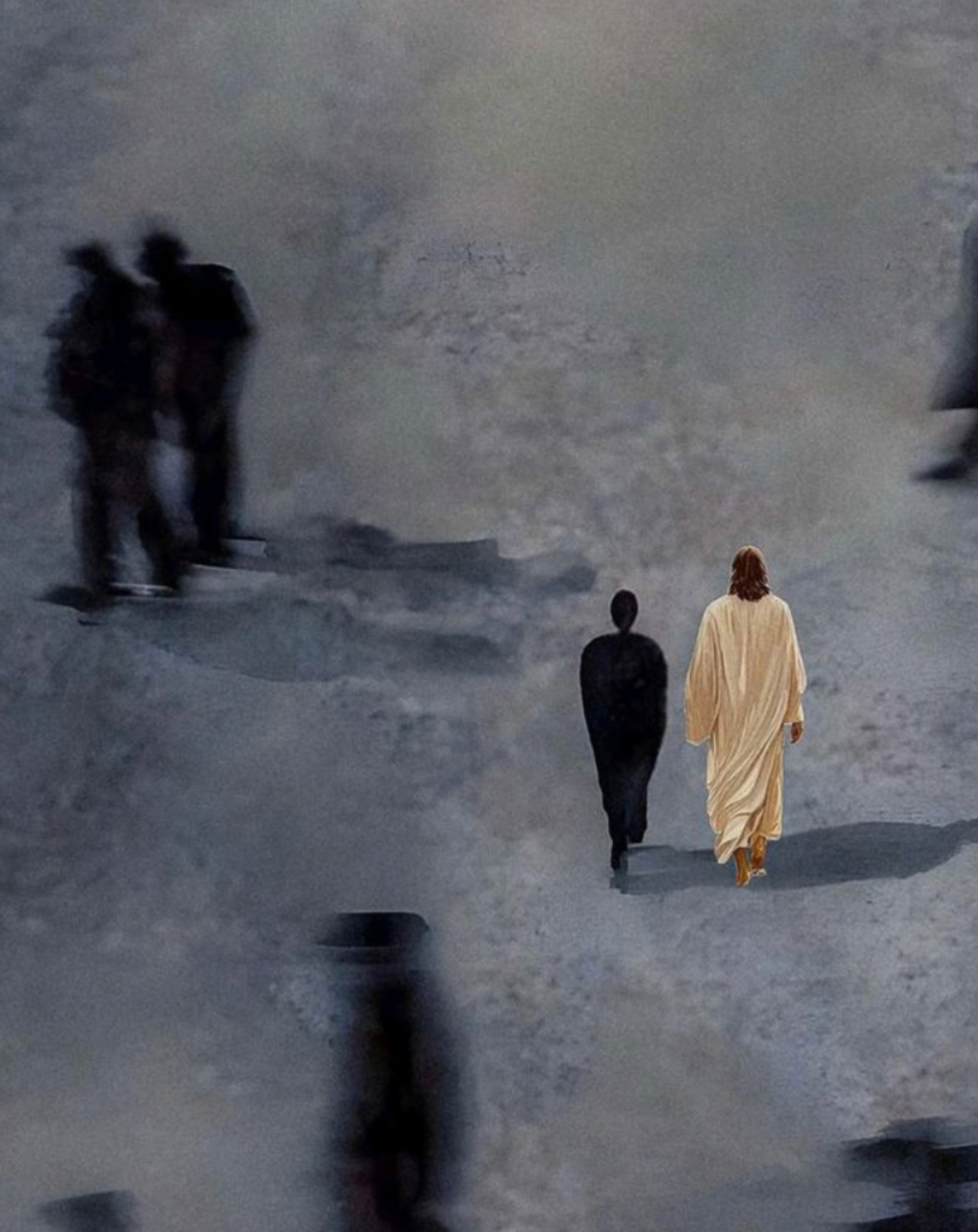
Discernment: The Most Overlooked Spiritual Skill
Discernment is one of the most important spiritual abilities, yet it is often overshadowed by more visible practices like manifestation, ritual, or divination. Discernment is the quiet wisdom that allows us to interpret what we receive rather than react blindly to it. Without discernment, even spiritual tools can become sources of confusion.
True discernment is not judgment. It is not suspicion or cynicism. It is clarity rooted in awareness. It allows us to recognize the difference between fear and intuition, between desire and guidance, between signs that are meaningful and signs we are projecting onto because we want reassurance.
Many people rush spiritual messages. They ask for signs, readings, or confirmation, but do not pause long enough to understand what is actually being revealed. Discernment requires patience. It asks us to sit with discomfort rather than immediately trying to resolve it. Sometimes the message is not about action at all — it is about understanding.
Discernment also protects us from spiritual bypassing, the habit of using spiritual language to avoid emotional responsibility. Not every challenge is an attack. Not every delay is a block. Discernment helps us respond wisely instead of defensively.
This skill strengthens over time through prayer, reflection, and honesty with oneself. The more grounded you are, the clearer your discernment becomes. You begin to notice when something feels off, not because it is dramatic, but because it lacks peace. Discernment often speaks softly, but it is consistent.
In spiritual work, discernment is what keeps practice healthy, ethical, and sustainable. It reminds us that not everything we feel compelled to do is divinely guided, and not everything divinely guided will feel exciting. Wisdom often looks quiet.



Dejar un comentario
Este sitio está protegido por hCaptcha y se aplican la Política de privacidad de hCaptcha y los Términos del servicio.