
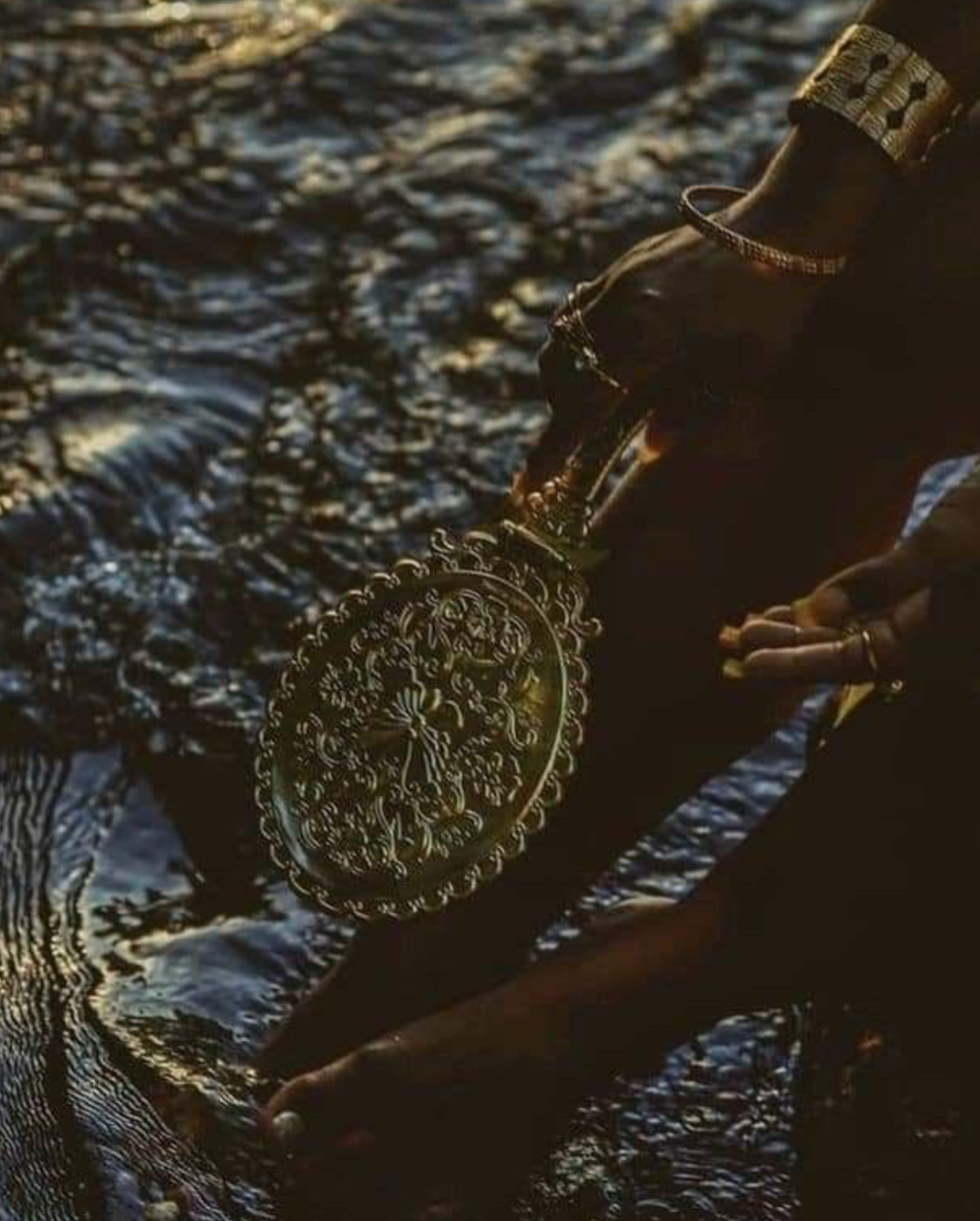
Mary, Oshun, and Our Lady of Charity of El Cobre are often spoken about in separate spiritual languages, yet for many people across generations and cultures, they are experienced through the same current: maternal presence, mercy, sweetness, strength, and protection that does not overpower but endures. To understand their connection is not to flatten their identities or ignore their traditions, but to recognize how divine compassion consistently appears where people are suffering, praying, surviving, and hoping.
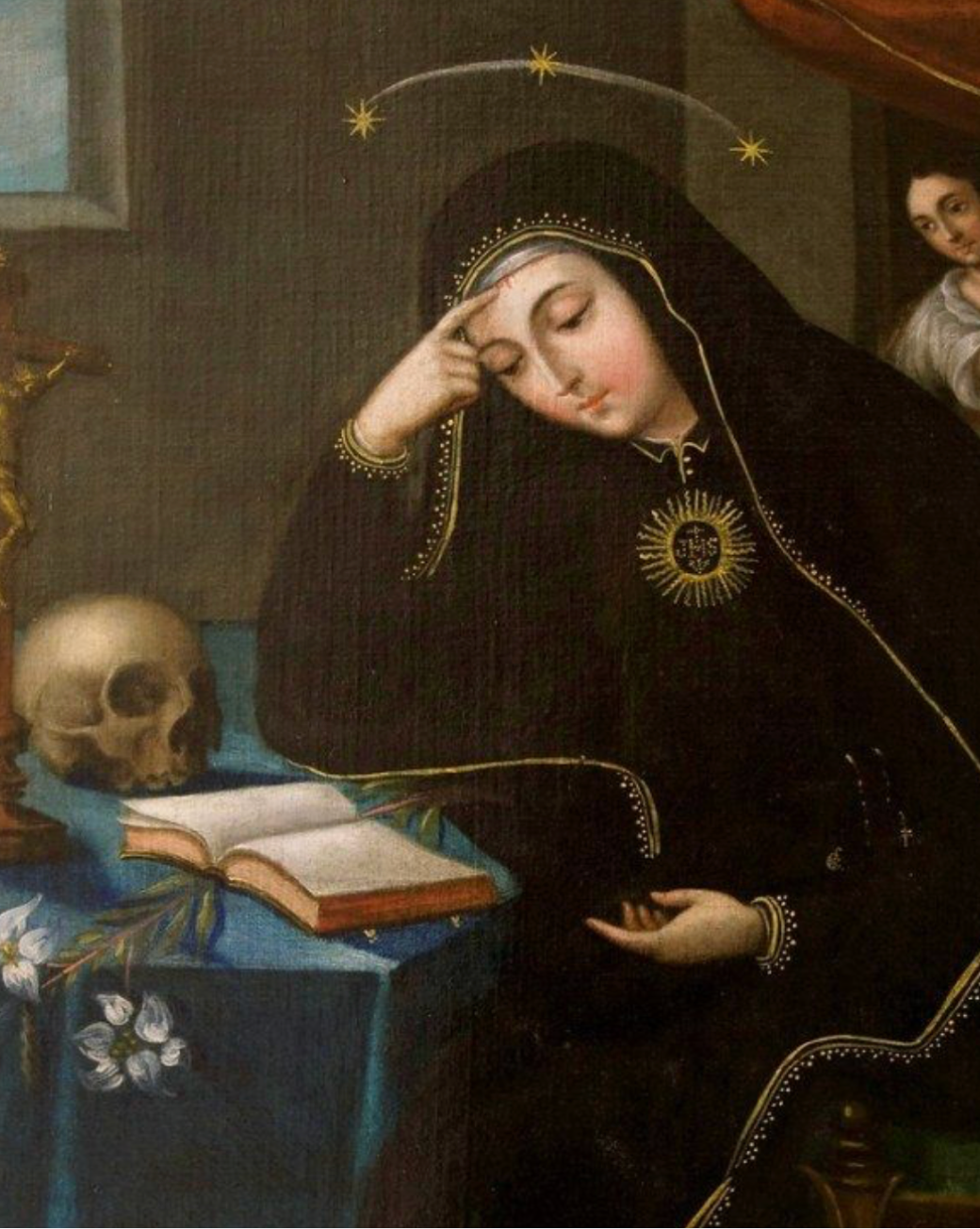
Mary, the Mother of God, stands at the heart of Catholic devotion as the embodiment of obedience without erasure, humility without weakness, and faith that persists even when understanding is incomplete. Her “yes” is not passive. It is a courageous consent to participate in divine mystery without demanding control over the outcome. Mary’s power is quiet, but it is not small. She does not dominate the narrative; she anchors it. In scripture and tradition, she appears repeatedly not as the source of miracles, but as the one who points toward trust, endurance, and fidelity to God when circumstances feel impossible. Her strength is revealed most clearly at the foot of the cross, where she does not flee suffering but remains present to it.
Oshun, revered in Yoruba tradition and carried through the African diaspora, embodies sweetness, fertility, beauty, abundance, and the sacred power of water. She governs rivers and fresh water, but also governs emotional truth, love, sensuality, and the ability to soften what has become hardened. Oshun is not fragile. Her sweetness is not naïve. It is strategic, restorative, and deeply wise. She teaches that gentleness can move what force cannot. Where Oshun flows, stagnation dissolves. Where she is honored, life is coaxed back into balance. Her laughter, her adornment, her gold—all point to the truth that joy itself can be a spiritual medicine.
Virgin Mary and Oshun emerge from different cosmologies, yet they are both recognized by devotees as intercessors who understand human vulnerability intimately. Neither requires perfection. Neither demands strength before offering support. They meet people where they are—often in grief, poverty, illness, exile, or longing—and remind them that they are still seen, still worthy, still held.
Our Lady of Charity of El Cobre, known affectionately as La Caridad del Cobre, stands at a crossroads where these currents converge historically and spiritually. Appearing to three men—two Indigenous brothers and an enslaved African boy—her image emerged not in a palace or cathedral, but on the water, among the poor, the displaced, and the oppressed. She did not erase their identities; she appeared to them within their reality. Over time, she became not only Cuba’s patroness, but a symbol of unity, liberation, maternal protection, and hope for those who had little else.
For many, La Caridad is Mary. For others, she carries the resonance of Oshun. For still others, she is both—without contradiction. Her gold garments echo Oshun’s colors. Her association with water mirrors Oshun’s domain. Her compassion, mercy, and maternal intercession reflect Mary’s role within Catholic theology. This convergence did not arise from confusion, but from survival. Enslaved Africans and Indigenous peoples, denied the right to openly practice their traditions, recognized familiar divine qualities beneath imposed forms. What endured was not dogma, but relationship.
Spiritually, this tells us something important. Divine compassion does not fracture when cultures differ. It adapts without losing its essence. The same qualities—mercy, fertility, protection, patience, sweetness, strength—appear again and again because they are necessary for human survival. Where people are wounded, the divine appears as comfort. Where people are oppressed, the divine appears as dignity. Where people are exhausted, the divine appears as rest.
Mary does not stop being Mary when she is recognized through La Caridad. Oshun does not cease being Oshun because her devotees see her reflected in Marian imagery. These recognitions do not dilute faith; they deepen it. They remind us that divine presence is not threatened by human language, culture, or symbol. It is patient enough to be known in many ways. This does not mean all paths are identical, nor does it require blending traditions without discernment. What it asks is humility. It asks us to consider that God meets people where they are capable of recognizing Him, and that maternal divine energy—however named—has consistently been one of the most powerful vehicles for healing, protection, and endurance.
At Stella Maris Readings, we approach these figures with reverence, not reduction. Mary is not interchangeable. Oshun is not symbolic filler. La Caridad del Cobre is not merely a cultural artifact. They are living presences within the spiritual lives of millions, carrying prayers that have been whispered through generations. To honor them is to honor the people who survived by trusting that sweetness could coexist with suffering, and that mercy could flow even when justice felt delayed.
Ultimately, the connection between Mary, Oshun, and La Caridad invites us to reflect on how we understand divine help. Not as domination, but as accompaniment. Not as force, but as flow. Not as distance, but as closeness. They teach us that protection does not always look like shielding—it often looks like staying. That love does not always roar—it often whispers. And that the sacred feminine, across traditions, continues to remind humanity that endurance can be gentle and still be unbreakable. This is not about choosing one image over another. It is about recognizing the continuity of divine compassion wherever it appears—and allowing it to soften us, steady us, and return us to trust.


Leave a comment
This site is protected by hCaptcha and the hCaptcha Privacy Policy and Terms of Service apply.